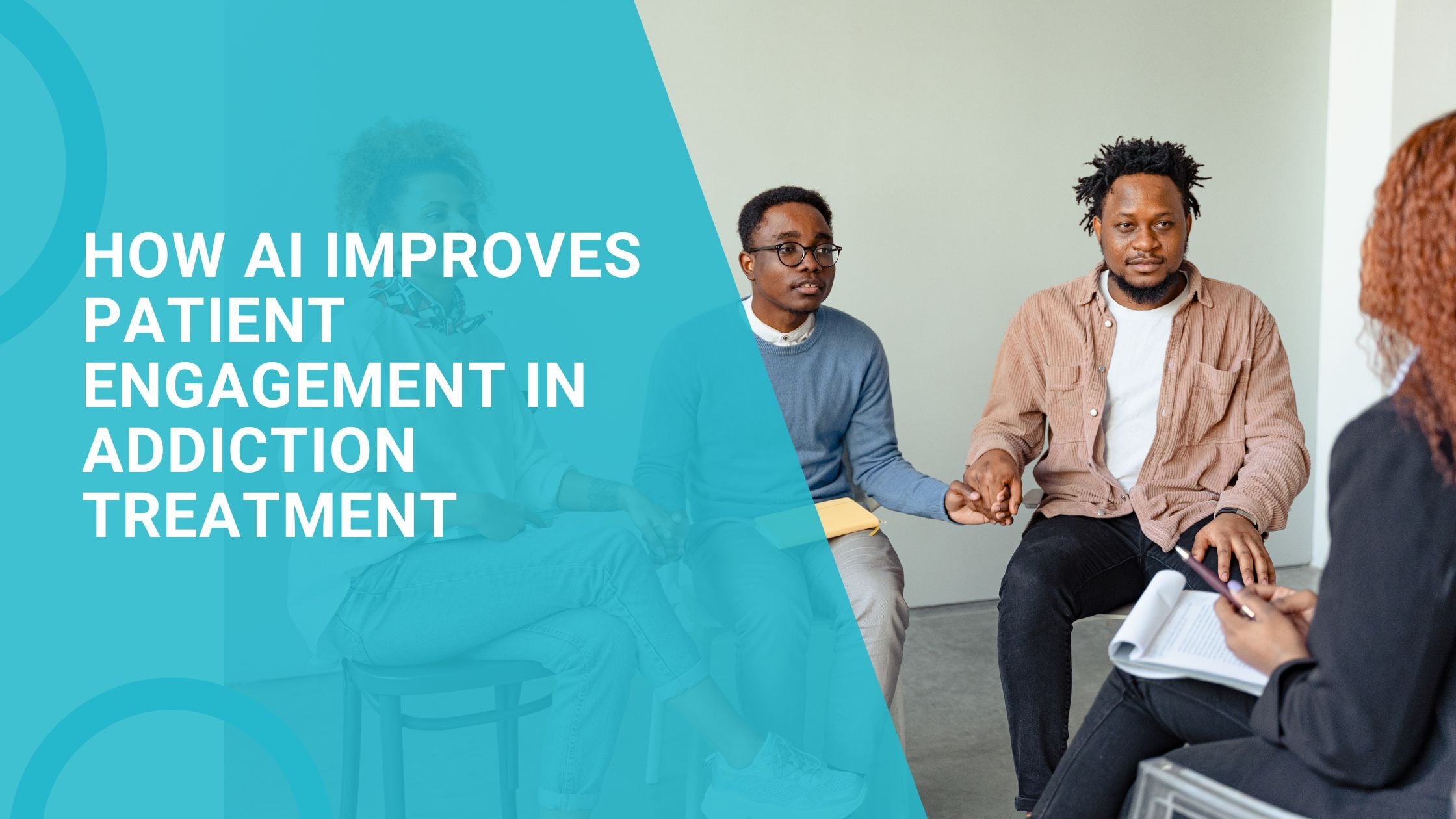
Analytics is transforming addiction care by using patient data to create personalized, effective treatment plans. This data-driven approach helps predict relapse risk, monitor recovery in real time, and improve long-term outcomes. Key tools such as electronic health records (EHRs) and predictive models enable addressing challenges such as high relapse rates and fragmented care systems.
Key Takeaways:
Personalized Treatment Plans: Tailored care based on patient data improves recovery outcomes.
Relapse Prevention: Predictive analytics identifies high-risk patients for early intervention.
Real-Time Monitoring: Continuous tracking enables prompt adjustments to treatments.
Standardized Data: Consistent metrics improve outcome tracking and care quality.
Behavioral Health Software: Platforms streamline data collection, reporting, and decision-making.
By integrating analytics into addiction care, treatment centers can deliver better results, reduce relapse rates, and design more effective programs.
Research Shows Analytics Improves Patient Outcomes
Research confirms that leveraging analytics in addiction treatment not only enhances immediate recovery outcomes but also supports long-term sobriety. By integrating data-driven strategies, treatment centers have seen improvements in recovery rates and a reduction in relapse occurrences.
Studies have established a clear connection between the use of analytics and better patient outcomes, including fewer readmissions, reduced relapses, and higher rates of treatment completion. These advancements can mean the difference between a successful recovery journey and ongoing struggles with addiction. Facilities that use analytics to track outcomes report improved patient outcomes and streamlined operations, laying the groundwork for more precise, timely interventions.
Better Relapse Prevention and Recovery Rates
Predictive analytics plays a critical role in identifying patients at higher risk of relapse, enabling care teams to intervene early and reduce the likelihood of setbacks. By analyzing factors like behavioral patterns, medication adherence, and patient engagement, machine learning tools help providers address issues before they escalate.
Treatment centers that act on these insights by tailoring care plans have seen notable reductions in relapse rates compared to traditional approaches. For instance, patients flagged as high risk through data analysis often receive more frequent check-ins, adjustments to their medication plans, or additional counseling sessions. This personalized approach outperforms the one-size-fits-all methods, delivering better outcomes.
Real-time monitoring adds another layer of effectiveness, particularly in the early stages of recovery. Research shows that continuous data collection and analysis during this critical period enable providers to detect warning signs early—often before a relapse fully develops.
Standardized Data for Better Outcome Tracking
The adoption of standardized data-collection methods has transformed how treatment centers measure and improve their success rates. By implementing consistent data protocols, facilities can benchmark their performance against established metrics, leading to higher rates of treatment completion and overall success.
Standardized data also opens the door to ongoing quality improvements. With access to reliable data, treatment centers can identify trends within their patient populations, determine which interventions yield the best results, and refine their strategies based on solid evidence rather than intuition alone.
On a broader scale, population-level analytics derived from standardized data provide insights into trends in addiction treatment. This helps providers anticipate challenges, allocate resources more effectively, and design specialized programs tailored to specific patient needs or addiction types.
The evidence is clear: systematic data collection and analysis empower treatment centers to achieve better outcomes across measures such as patient satisfaction, treatment retention, and long-term recovery success.
How Analytics is Used in Addiction Treatment
Analytics has transformed addiction treatment by moving away from generic approaches to more tailored, data-driven interventions. By leveraging data, treatment can be more precise and effective, addressing individual needs. Below, we explore how analytics is applied in early intervention, progress monitoring, and targeted care design.
Predictive Analytics for Early Intervention
Predictive analytics uses machine learning to analyze patient data and identify those at higher risk for relapse or dropping out of treatment. These tools examine factors like behavioral patterns, medication adherence, therapy engagement, and attendance records to predict potential challenges.
With this information, care teams can act proactively—whether that means scheduling more frequent check-ins, adjusting medication plans, intensifying counseling sessions, or connecting patients with additional resources. This not only helps patients but also ensures resources are allocated where they’re needed most, focusing intensive care on those at higher risk.
Real-Time Progress Tracking and Outcome Measurement
Sustaining long-term recovery requires consistent monitoring. Real-time progress tracking, often through brief surveys, provides immediate insights into a patient’s symptoms, cravings, mood, and overall well-being. This approach, also called measurement-based care, helps clinicians detect early signs of setbacks and make timely adjustments to treatment plans.
For patients, this feedback offers visible proof of their progress, reinforcing their commitment to recovery. Research backs this up - a meta-analysis of 52 randomized control trials found that 65% of mental health studies, including all addiction treatment studies, showed major benefits from progress monitoring. Additionally, patients whose clinicians received symptom feedback from the start of treatment showed 28% greater improvement within 6 weeks than those without such feedback.
This approach is especially crucial for those not responding as expected to standard treatments. For instance, in community-based substance abuse programs, patients whose counselors used progress monitoring data reported significant reductions in alcohol use - comparable to those who were already progressing well.
Population Health Analytics for Targeted Care
Population health analytics takes a broader view, analyzing large datasets to uncover trends and guide interventions for specific groups. This helps treatment centers identify which demographics face unique challenges and craft specialized programs to meet their needs.
For example, analytics might show that individuals using multiple substances require different strategies than those dealing with a single substance. Similarly, insights could reveal that younger adults benefit more from certain therapeutic methods, or that tailored programs are needed for patients with co-occurring mental health conditions. These findings enable treatment centers to create specialized tracks, such as programs for young adults, culturally responsive initiatives for underserved communities, or intensive protocols for complex cases.
Beyond improving individual care, population health analytics supports program evaluation and ongoing improvement. By analyzing outcomes across various groups, treatment centers can identify what works best and refine their approaches. It also supports strategic planning, enabling organizations to anticipate future needs, allocate resources wisely, and design services aligned with emerging trends.
Source: Meta-analysis of 52 randomized control trials on progress monitoring in mental health and addiction treatment.
Using Behavioral Health Software Platforms for Analytics
Modern behavioral health software platforms are transforming the way treatment centers approach analytics. By integrating data collection, analysis, and actionable insights into a single system, these platforms eliminate the inefficiencies of fragmented tools. This makes it easier for treatment centers to utilize analytics to improve care.
Key Features that Support Analytics
Automated workflows play a critical role in effective analytics for addiction care. These systems automatically log patient interactions and treatment milestones, creating a continuous and reliable stream of data without requiring manual input.
Outcomes measurement tools provide standardized ways to track patient progress. For example, tools built into platforms like Opus Behavioral Health EHR can automatically calculate scores and trends, helping clinicians monitor progress over time. These tools often support evidence-based assessments, such as the Addiction Severity Index, and can be customized for specific treatment programs.
Advanced reporting capabilities turn raw data into actionable insights. With features like those offered by Opus, treatment centers can analyze data on treatment retention, medication adherence, and recovery milestones at both the individual and population levels.
AI-powered documentation, such as Opus's Copilot AI, reduces the administrative burden on clinicians. Automatically extracting key data from clinical notes allows staff to focus more on patient care.
Improving Clinical Workflows with Telehealth and E-Prescribing
These platforms also streamline clinical workflows, enhancing the analytics process. Telehealth integration ensures that data collection remains consistent, even during virtual sessions. The platform can record session details like duration, engagement, and observations, ensuring no gaps in patient data.
E-prescribing capabilities provide real-time insights into medication management, a crucial aspect of addiction treatment. These systems monitor prescription fills, check for drug interactions, and track adherence patterns. When paired with pharmacy data, they can alert clinicians to early signs of non-compliance.
Lab integration simplifies the process of incorporating biomarker and drug screening results. By automatically importing lab data, these platforms reduce manual errors and help clinicians make timely decisions.
Example Use Case: Data-Driven Decision Making
Take the example of a mid-sized addiction treatment center. Using an integrated analytics dashboard, the center identifies a pattern: missed group sessions are associated with higher rates of treatment discontinuation.
Using this insight, the center implements a proactive intervention strategy. Automated workflows flag patients who repeatedly miss group sessions, triggering alerts to case managers. The system then schedules additional telehealth counseling sessions, effectively re-engaging patients and reducing dropout rates. This data-driven approach enhances patient outcomes while improving operational efficiency.
Implementation Considerations for Analytics in Addiction Care
Implementing analytics in addiction treatment requires careful planning to strike a balance between the opportunities it offers and the hurdles it presents.
Benefits and Challenges of Analytics Adoption
Shifting to analytics in addiction care offers clear benefits but also notable challenges that treatment centers must navigate. Here's a breakdown:
|
Benefits
|
Challenges
|
|
Better patient outcomes through predictive modeling and early interventions
|
High initial costs for software, hardware, and system integration
|
|
More personalized treatment using patient data patterns and risk factors
|
Resistance from staff to change workflows and adopt new technologies
|
|
Improved resource management with insights into population health and capacity planning
|
Data quality issues due to inconsistent documentation or outdated systems
|
|
Lower readmission rates through continuous monitoring and proactive care
|
Privacy concerns around sensitive data and regulatory compliance
|
|
Simplified regulatory reporting with automated metrics and data collection
|
Technical challenges requiring specialized IT skills and ongoing support
|
Key Success Factors for Implementation
To fully harness the potential of analytics, treatment centers must focus on several critical factors.
Data quality is key. Consistent and accurate data entry lays the groundwork for effective analytics. This means setting clear documentation standards, using structured templates for clinical notes, and conducting regular audits. Training staff on proper data entry practices ensures that the information feeding the system is reliable.
Training and leadership are essential. Comprehensive staff training, coupled with strong leadership, helps integrate analytics smoothly into daily workflows. Clinicians need time to learn the system, and ongoing support sessions can sustain adoption. Centers that invest in robust training programs often see better results.
Integration is crucial. Analytics should enhance existing clinical processes, not create extra steps. For example, platforms like Opus Behavioral Health EHR embed analytics directly into patient records, allowing clinicians to access insights seamlessly without juggling multiple tools.
Start small and scale up. A phased rollout can help manage complexity and minimize disruptions. Many centers begin with basic reporting features, gradually moving toward advanced tools like predictive analytics and population health management. This step-by-step approach builds confidence and allows teams to adapt progressively.
Overcoming Barriers to Adoption
Addressing the challenges of analytics adoption requires targeted strategies.
Tackle privacy concerns. Transparency is key - clearly explain how patient data is protected, who can access it, and how analytics tools comply with HIPAA regulations. Regular security training and strong data governance policies can reassure staff and patients alike.
Manage resource constraints smartly. Centers can reduce costs by partnering with vendors or leveraging group purchasing agreements. Prioritizing analytics tools that deliver immediate benefits, such as automated reporting, can also help justify the investment.
Build technical expertise. Combining internal training with external partnerships can strengthen a center’s technical capabilities. Designating "super users" who receive advanced training can create in-house experts. These individuals can troubleshoot issues, support peers, and advocate for further analytics use.
Address staff resistance. Demonstrate how analytics can simplify administrative tasks and improve patient care. Involving clinicians in customizing the system and holding regular feedback sessions can foster a sense of ownership and engagement.
Ensure long-term success. Analytics adoption isn’t a one-time effort - it requires ongoing evaluation and refinement. Centers should regularly review system performance, update training programs, and adjust workflows based on user feedback to ensure the tools continue delivering value.
Conclusion: The Future of Analytics in Addiction Care
Analytics is reshaping addiction treatment by shifting it from a reactive to a proactive, data-driven approach that delivers better results. Studies highlight how predictive modeling and real-time monitoring can lower relapse rates, offering personalized care and smarter resource management.
Solutions like Opus Behavioral Health EHR bring together EHR, CRM, and AI-powered tools to provide advanced analytics, over 140 reporting options, automated workflows, telehealth capabilities, e-prescribing, and lab integrations. These features make it easier for treatment centers to make informed, data-driven decisions.
However, successful adoption requires thoughtful planning. This includes ensuring high-quality data, effectively training staff, and rolling out the system in stages. While these steps take effort, the payoff is clear: improved patient care and smoother operations. Centers that embrace these strategies are better equipped to provide top-notch care and run more efficient programs.
As analytics technology continues to advance, early adopters stand to gain a real edge—delivering better outcomes and creating programs that support lasting recovery. The future of addiction care lies in combining clinical expertise with data-driven insights, paving the way for more effective and sustainable treatment models.
FAQs
How can predictive analytics help lower relapse rates in addiction treatment?
Predictive analytics is making a big impact by identifying patterns in personal data that may indicate increased risk of relapse. By examining factors like behavior patterns, psychological triggers, and external influences, these tools can provide early warnings, giving care teams the chance to step in before a crisis occurs.
This data-driven approach allows treatment plans to be customized to fit each person’s specific needs. It enables care providers to offer personalized support and make timely adjustments, helping to prevent relapses and improve recovery journeys. The result? A more effective, patient-focused approach to addiction care.
What challenges do treatment centers face when using analytics, and how can they address them?
Treatment centers often face hurdles when introducing analytics into their operations. Common challenges include poor data quality, staff resistance to change, and the difficulty of integrating disparate systems. On top of that, concerns about privacy and data security can make the process even more daunting.
To tackle these issues, facilities can take a few key steps. First, adopting strong data governance practices helps ensure the information they rely on is accurate and trustworthy. Providing thorough staff training not only boosts their confidence but also encourages them to embrace new tools. Taking a gradual approach—rolling out and testing analytics systems in phases—can make the transition smoother and reduce potential disruptions. And, by focusing on robust security measures, facilities can meet privacy regulations and build trust with both their staff and patients.
How can analytics improve patient outcomes in addiction treatment?
Analytics is transforming addiction treatment by providing real-time data, predictive models, and outcome tracking that help improve patient care. With these tools, clinicians can spot at-risk patients sooner, create tailored treatment plans, and keep a closer eye on progress.
Behavioral health software takes this a step further by offering features like automated workflows, telehealth services, and advanced reporting. These tools reduce administrative work, allowing providers to focus on delivering personalized, high-quality care that supports better recovery outcomes.
 By: Shawn Rickenbacker